

Swedish man sentenced to eight years for Eurovision terror plot
Swedish teenager had a laboratory in his home and terrorist plans on his computer. The canceled Eurovision 2020 in Rotterdam was the target
A 23-year-old man from Sweden has been sentenced in Luxembourg to eight years in prison, six of which are suspended, for planning a terror attack against the Eurovision Song Contest 2020 in Rotterdam.
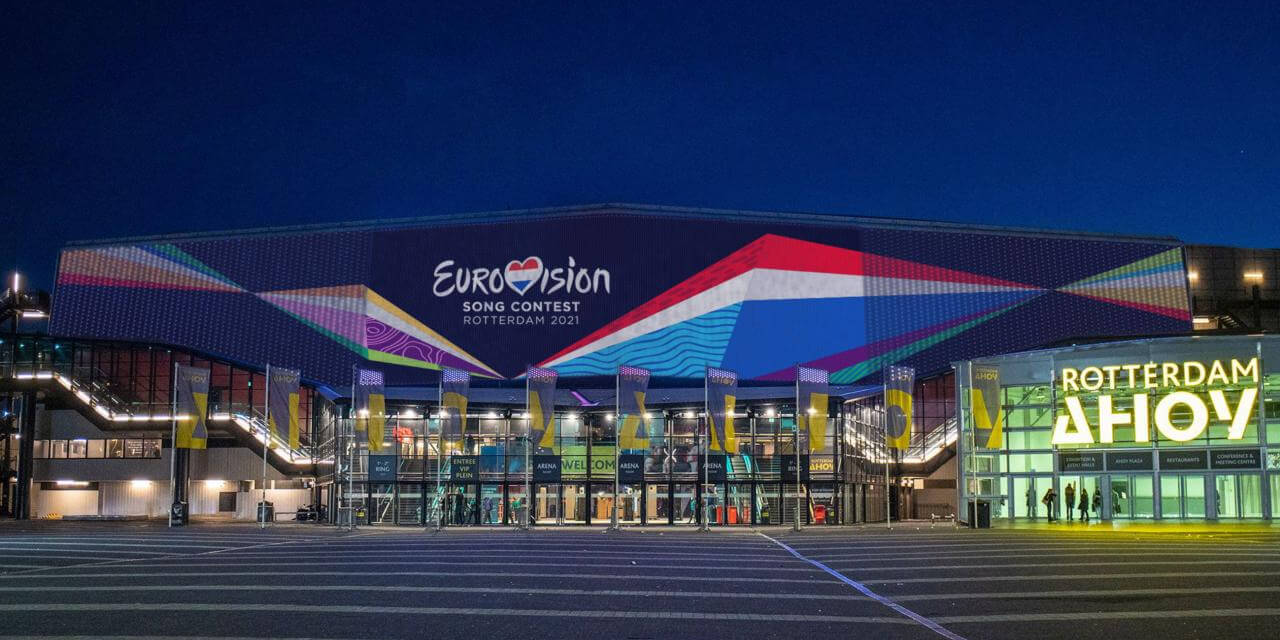
A Luxembourg court handed down the sentence on 27 November 2025 for weapons offences, planning terrorist attacks, and involvement in extremist organizations. Prosecutors had asked for a 12-year prison sentence. The case centers on an extensive plot to target the Eurovision Song Contest 2020 in Rotterdam, as well as other targets in Sweden and the Netherlands.
Foiled Eurovision attack
In early 2020 police in Strassen, near Luxembourg City, searched the home of the then 18-year-old man of Swedish origin. In the basement they found a fully-equipped chemistry laboratory set up with substances and equipment that experts later said could be used to produce explosives and toxic gas.
Investigators also uncovered an online document about “Eurovision 2020,” drafted together with a Dutch accomplice, containing detailed ideas for an attack on the Contest in Rotterdam. According to Luxembourg authorities, the plan focused on poisoning spectators with toxic substances and creating mass panic with gas during the event. The attack never took place, and Eurovision 2020 was ultimately canceled because of the COVID-19 pandemic.
Other planned attacks
The court case in Luxembourg also looked at the man’s wider activities in far-right extremist networks. He was a member of the neo-Nazi terrorist organization The Base, and of the so-called eco-fascist group Green Brigade, which mixes far-right ideology with animal rights activism. In 2019, he and an accomplice set fire to an abandoned mink farm in Sweden as a propaganda action for the group, for which he was later convicted.
During earlier hearings, investigators described how he shared bomb-making material, helped with recruitment and training for extremist groups, and discussed further attacks on infrastructure and businesses in Sweden and the Netherlands.
The group shared racist and extremist messages in their online chats, including references to neo-Nazi slogans. Investigators describe the defendant as deeply radicalized, noting that they have found no indication that he has distanced himself from his extremist ideology.
Sentence, suspension and deradicalization
The sentence announced in Luxembourg includes eight years in prison, with six years suspended, and a five-year probation period. The probation is conditional on his participation in a deradicalization program, with regular proof that he is taking part. If he does not respect the conditions, the suspended part of the sentence can be activated.
The man, who is now studying chemistry in Sweden, has stated in court that he no longer sees himself as radical, although he still describes his views as conservative. He has the right to appeal the verdict to a higher court, and his legal team is expected to consider further steps.